
2-Cycle Oil for Chainsaws: Mix Ratios & Premium Brands

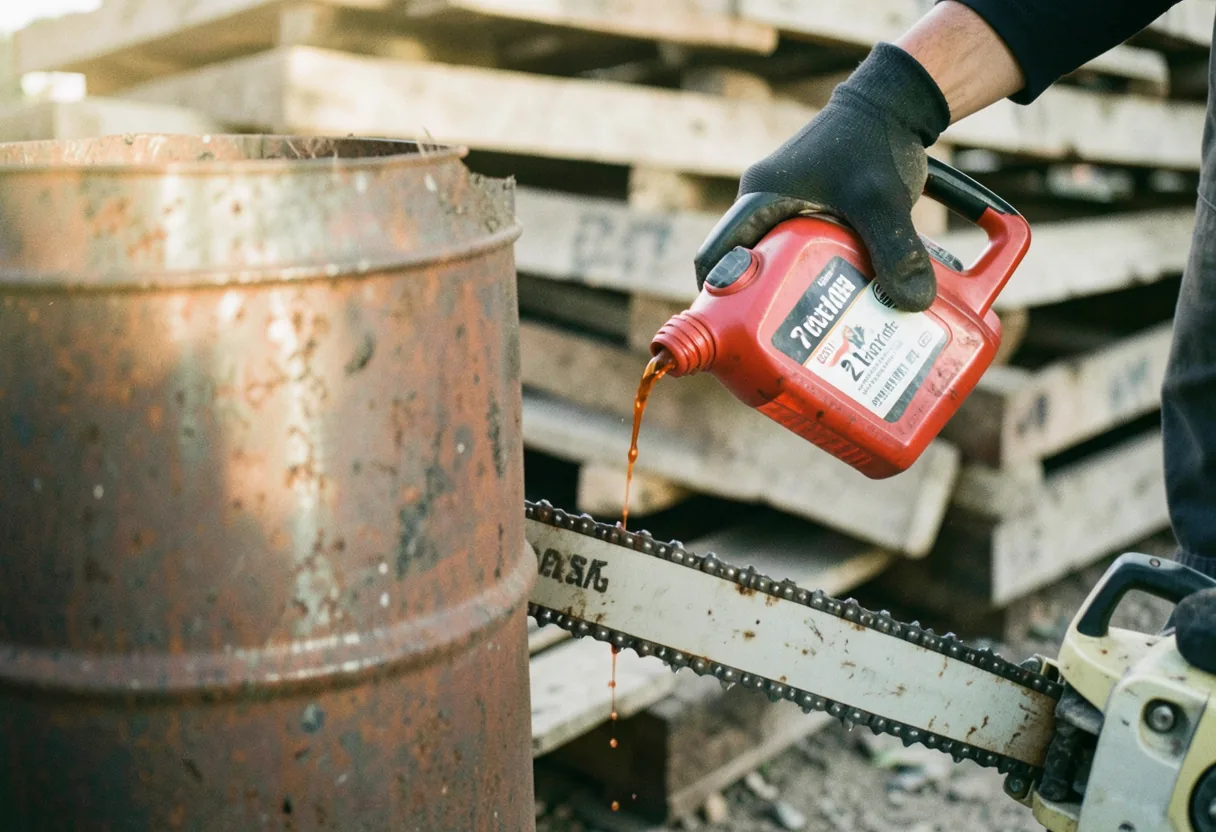
2-cycle oil for chainsaws lubricates the engine and reduces heat. Use a high-quality, air-cooled, 2-cycle engine oil like Husqvarna 2-Stroke Oil or Stihl HP Ultra. Mix it at a 50:1 or 40:1 ratio with gasoline. Always check your chainsaw’s manual for the exact ratio.
2-cycle oil for chainsaws is a specialized lubricant designed to mix with gasoline to power 2-stroke engines, including those in chainsaws.
think of 2-cycle oil as the chainsaw engine’s lifeblood, it’s the lubricant that keeps the pistons and crankcase from grinding themselves into scrap metal. Without the right mix, your saw might run rough or even seize.
Key facts
- The proper mix ratio for most chainsaws is 50:1 (gasoline to oil).
- Premium 2-cycle oils, like Husqvarna HP and Stihl HP Ultra, contain additives to reduce carbon buildup and improve engine life.
- Never use automotive 2-stroke oil; it lacks the necessary detergents and stabilizers for small engines.
- Storing pre-mixed fuel for more than 30 days can cause separation and degradation, reducing performance.
01Best 2-Cycle Oil for Chainsaws
The right 2-cycle oil ensures your chainsaw runs smoothly and lasts longer. Here’s a comparison of top brands, their key features, and who they’re best for.
02Husqvarna HP
Husqvarna HP is a premium 2-cycle oil designed specifically for Husqvarna chainsaws. Its ashless formulation reduces engine wear and keeps exhaust systems clean, making it ideal for professionals who rely on their saws daily. However, it’s priced higher than generic alternatives.
03Stihl HP Ultra
Stihl HP Ultra is another top-tier option, favored by Stihl chainsaw users for its synthetic blend that minimizes carbon buildup and extends engine life. It’s slightly more expensive but worth the investment for those who demand peak performance. The downside? It’s not as widely available as Husqvarna’s oil.
04MotoPlus 2-Cycle Oil
MotoPlus offers a cost-effective solution without sacrificing quality. Its low-ash formula works with most chainsaw brands, making it a versatile choice for homeowners with mixed equipment. The trade-off? It doesn’t offer the same level of performance as Husqvarna or Stihl oils.
05Pennzoil Marine XPF
While primarily marketed for marine engines, Pennzoil Marine XPF is a high-performance synthetic 2-cycle oil that works well in chainsaws. Its water-resistant properties make it ideal for wet conditions, though it’s overkill for casual users.
06How to Choose 2-Cycle Oil for Chainsaws
Selecting the right 2-cycle oil depends on your chainsaw brand, usage frequency, and budget. Here’s how to decide:
- Check the manual: Your chainsaw’s manufacturer may recommend a specific oil, like Husqvarna HP for Husqvarna saws.
- Mix ratio: Most modern chainsaws use a 50:1 ratio, but some older models may require 40:1. Always verify before mixing.
- Synthetic vs. conventional: Synthetic oils like Stihl HP Ultra offer better performance but cost more. Conventional oils like MotoPlus are budget-friendly but may require more frequent changes.
- Storage: If you won’t use the mixed fuel within 30 days, opt for a smaller container to avoid waste.
07Best Chainsaw for the Money
If you’re in the market for a new chainsaw, the best value often comes from mid-range models like the Husqvarna 455 Rancher or the Stihl MS 251. These saws balance power, durability, and affordability, making them ideal for homeowners and occasional professionals. For budget buyers, off-brand options like the Makita DCS6401 offer decent performance at a lower cost.
08Best Place to Buy Chainsaws
For the best selection and service, I recommend purchasing from specialized outdoor power equipment dealers or major retailers like Home Depot or Lowe’s. Online platforms like Amazon also offer competitive prices, but be sure to check return policies before buying.
09Best Chainsaw for Home Use
The best chainsaw for home use depends on your needs. For light trimming and small trees, a 14- to 16-inch bar on a model like the Husqvarna 120i (battery-powered) or the Echo CS-310 is sufficient. For larger tasks, a 18-inch bar on the Stihl MS 172 C-E or the Poulan Pro PR500 provides ample power without being overly heavy.
10Chainsaw Maintenance Tips
Maintaining your chainsaw is as important as choosing the right 2-cycle oil. Here are some essential tips to keep your saw in top shape:
- Regular cleaning: After each use, clean the air filter, bar, and chain to prevent debris buildup.
- Chain tension: Check and adjust the chain tension regularly to ensure safe and efficient cutting.
- Sharp chain: A dull chain not only reduces performance but also increases the risk of kickback. Sharpen the chain or replace it when necessary.
- Lubrication: Keep the bar and chain oiled to reduce friction and wear. Most chainsaws have an automatic oiler, but manual checks are still advisable.
- Storage: Store your chainsaw in a dry place, and if you won’t be using it for an extended period, drain the fuel to prevent carburetor issues.
11Safety Tips for Using Chainsaws
Chainsaws are powerful tools that require proper handling to avoid accidents. Here are some safety tips to keep in mind:
- Protective gear: Always wear safety goggles, gloves, ear protection, and a hard hat or helmet. Chainsaw chaps or pants can protect your legs from cuts.
- Proper stance: Maintain a stable footing and keep both hands on the saw. Use your left thumb to control the throttle.
- Kickback prevention: Be aware of kickback, which occurs when the chain at the tip of the guide bar catches on something. Avoid cutting with the tip of the bar.
- Shut-off procedure: Turn off the saw or engage the chain brake when moving between cutting sites or when handing the saw to someone else.
- Training: If you’re new to chainsaws, consider taking a safety course. The offers comprehensive training programs.
12FAQ
What is the best brand of chainsaw to buy?
The best brand depends on your needs, but Husqvarna, Stihl, and Echo are top choices for reliability and performance.
What brand chainsaw do most loggers use?
Professional loggers often prefer Stihl chainsaws, particularly the MS 261 or MS 661 models, for their durability and power.
How big of a chainsaw do you need to cut down a tree?
The size depends on the tree’s diameter. A 16-inch bar handles trees up to 16 inches in diameter, while larger trees may require a 20-inch or bigger bar.
What is the best off-brand chainsaw?
Off-brand chainsaws like the Makita DCS6401 or the Troy-Bilt TB420 offer good value but may lack the longevity of premium brands.
13Comparison of Chainsaw Oil Types
Not all 2-cycle oils are created equal. Here’s a comparison of different types to help you make an informed decision:
14How to Extend the Life of Your Chainsaw
Proper maintenance and care can significantly extend the life of your chainsaw. Here are some additional tips to keep your saw running smoothly for years:
- Regular Inspections: Before each use, inspect your chainsaw for any signs of wear or damage. Check the chain, bar, and spark plug for any issues that need addressing.
- Clean Air Filter: A clogged air filter can reduce engine performance. Clean or replace the air filter regularly to ensure proper airflow.
- Use Fresh Fuel: Always use fresh fuel and oil mix. Old fuel can cause starting problems and engine damage. If you won’t be using your chainsaw for an extended period, consider using a fuel stabilizer.
- Proper Storage: Store your chainsaw in a dry, cool place. If storing for a long period, drain the fuel and oil to prevent degradation and potential damage.
- Professional Servicing: For major maintenance tasks like carburetor adjustments or engine tuning, consider taking your chainsaw to a professional. This ensures that the work is done correctly and safely.
15Understanding Chainsaw Specifications
When choosing a chainsaw, it’s essential to understand the key specifications that affect performance and usability. Here’s a breakdown of what to look for:
Investing in the right 2-cycle oil is as crucial as choosing the right chainsaw. Whether you opt for Husqvarna HP, Stihl HP Ultra, or a budget-friendly alternative, always follow the recommended mix ratio and storage guidelines. Your chainsaw, and your wallet, will thank you.
16Frequently asked questions
What's the standard 2-cycle oil mix ratio for most chainsaws?
Most modern chainsaws run on a 50:1 gasoline-to-oil ratio. That means 2.6 ounces of 2-cycle oil per gallon of gas. Some older models might need a 40:1 or even 32:1 mix, so check your manual. Always measure precisely, too much oil fouls spark plugs, too little damages the engine.
Why do premium brands like Husqvarna and Stihl recommend their own oils?
Husqvarna and Stihl oils are engineered for their chainsaws' specific engines. They use high-quality additives to reduce carbon buildup and wear. For example, Husqvarna's XP+ oil has a unique formula for extreme conditions. While generic oils work, sticking to brand-specific oil can extend engine life.
Can I use automotive 2-cycle oil instead of chainsaw-specific oil?
No. Automotive 2-cycle oil has additives for boat motors and other applications, which can gum up chainsaw engines. Chainsaw oils are designed to burn cleaner and leave less residue. Stick to oils labeled for air-cooled engines, like those from Echo or Poulan.
How do I store leftover mixed fuel safely?
Store mixed fuel in an airtight, approved container away from heat and sunlight. Use it within 30 days. Stale fuel gums up carburetores. For longer storage, add a fuel stabilizer like STA-BIL. Never store mixed fuel in the chainsaw itself, it degrades quickly and can damage the engine.